
Article
Dynamic vs static stretching
Stretching isn’t one thing. There are different tools for different jobs. Dynamic and static stretching both have value — the key is knowing when to use each.
In simple terms
- Dynamic stretching = controlled movement through range, preparing your body to move.
- Static stretching = holding a position, teaching your body to tolerate length.
Neither is “good” or “bad” by itself. They just serve different purposes.
What is static stretching?
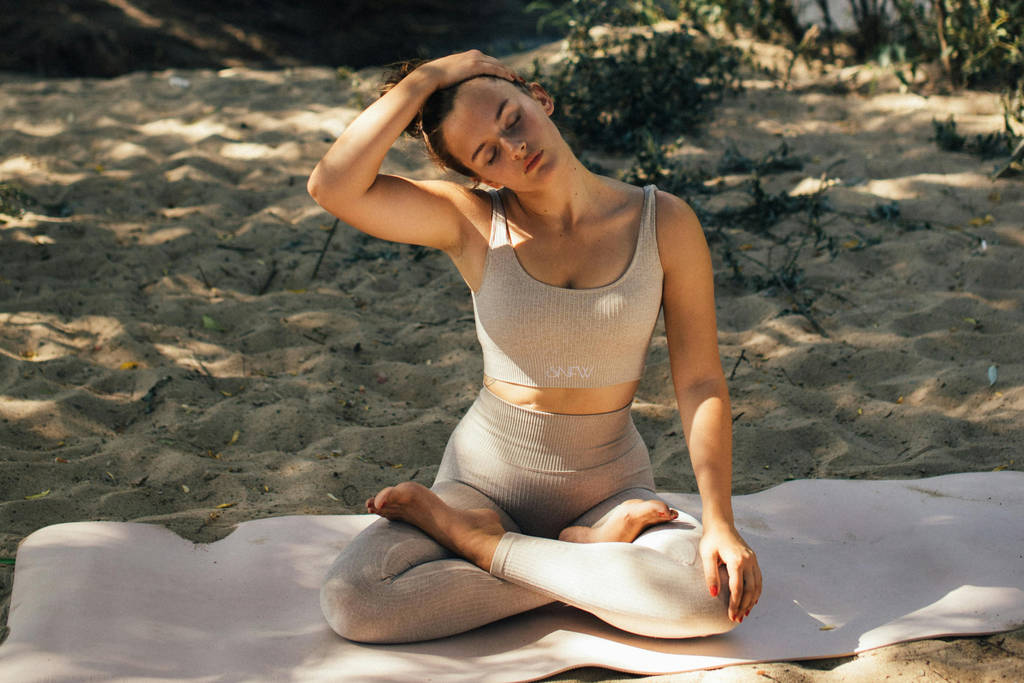
Static stretching is what most people picture when they hear “stretch”: you move into a position, feel a stretch, and hold it for a period of time.
- Examples: hamstring stretch with foot on a step, calf stretch against a wall, quad stretch holding your ankle.
- Typical holds: 20–30 seconds, repeated 2–3 times.
- Goal: help the nervous system feel safe at longer muscle lengths.
Static stretching is best when your body is already a little warm and you want to settle, cool down, or ease specific tight areas.
What is dynamic stretching?
Dynamic stretching uses movement instead of long holds. You move in and out of range with control, usually in the same patterns you’ll use for work, sport, or daily life.
- Examples: leg swings, arm circles, walking lunges, gentle hip hinges, controlled torso rotations.
- Reps instead of holds: 8–12 controlled repetitions per movement.
- Goal: wake up joints and muscles, rehearse movement patterns, increase blood flow.
Dynamic work is ideal for warming up before any meaningful activity: chores, lifting, walking, riding, training, or a long day on your feet.
Key differences (short version)
- Dynamic = movement, rhythm, prep.
- Static = stillness, length, calming down.
- Dynamic is how you “wake the system up.”
- Static is how you “downshift” and ask tight spots to relax.
Myths you can let go of
“Static stretching is bad before exercise.”
The problem isn’t static stretching itself — it’s only doing long, sleepy holds and then expecting your body to suddenly be powerful and reactive. For most people:
- A few gentle static stretches before moving are fine, especially if they feel good.
- But your warm-up should mainly be dynamic: moving, hinging, stepping, rotating.
“Dynamic stretching is just flailing around.”
Done well, dynamic stretching is controlled, not sloppy. Think:
- Smooth, repeatable movement.
- No bouncing into pain.
- Speed you could pause at any moment and still feel stable.
“Stretching will fix everything.”
Stretching (dynamic or static) is just one piece. Real change comes from:
- Better movement patterns (hinging instead of rounding).
- Gentle strength in new ranges.
- Breath that stays calm while you move.
When to choose dynamic vs static
Use dynamic stretching when:
- You’re about to work, walk, ride, train, or lift.
- You’ve been sitting and feel “stuck” or stiff.
- You want to feel awake and ready, not sleepy.
Good dynamic ideas:
- Hip hinges and gentle squats.
- Arm circles and scapular glides.
- Leg swings (front/back and side/side, controlled).
- Torso rotations and side bends.
Use static stretching when:
- You’re done for the day or cooling down.
- You feel one specific area is always tight and needs calm attention.
- You want to relax your system before bed or after a long shift.
Good static ideas:
- Calf stretch against a wall after long standing or walking.
- Gentle hamstring stretch after sitting or driving.
- Hip flexor stretch after a day in a chair or tractor seat.
For people with pain or sensitive bodies
If you’ve had pain for a while, your nervous system may be a bit “on guard.” In that case, think less about “stretching hard” and more about:
- Slow, small dynamic movements that feel safe.
- Short static holds in comfortable positions, not extreme ones.
- Breathing calmly while you stretch — no breath holding.
Pain that eases as you move gently is often your body saying, “Thank you, this feels better.” Sharp, stabbing, or worsening pain is your cue to back off.
Common questions
“Which is better, dynamic or static stretching?”
Neither. They’re different tools. For most people:
- Dynamic before activity.
- Static after activity or at the end of the day.
“How long should I hold a static stretch?”
A simple guideline: hold for about 20–30 seconds, breathing slowly. You can repeat 2–3 times if it feels good. More isn’t always better — consistency is.
“What if stretching makes things feel worse?”
Then stretching might not be the first tool you need. Often, your body responds better to:
- Gentle mobility (dynamic).
- Learning better mechanics (like a good hip hinge).
- Light strength work in pain-free ranges.
Persistent or severe pain is always a reason to get checked by a qualified professional.
You don’t have to choose a side in the “stretching debate.” Use dynamic work to get moving, static work to settle down, and always listen to how your body responds.