
Article
Hip stability essentials
Strong hips don’t just come from heavy squats — they come from control. Hip stability is your ability to move while keeping your legs, pelvis, and spine working together smoothly. It’s the foundation for balance, power, and pain-free movement.
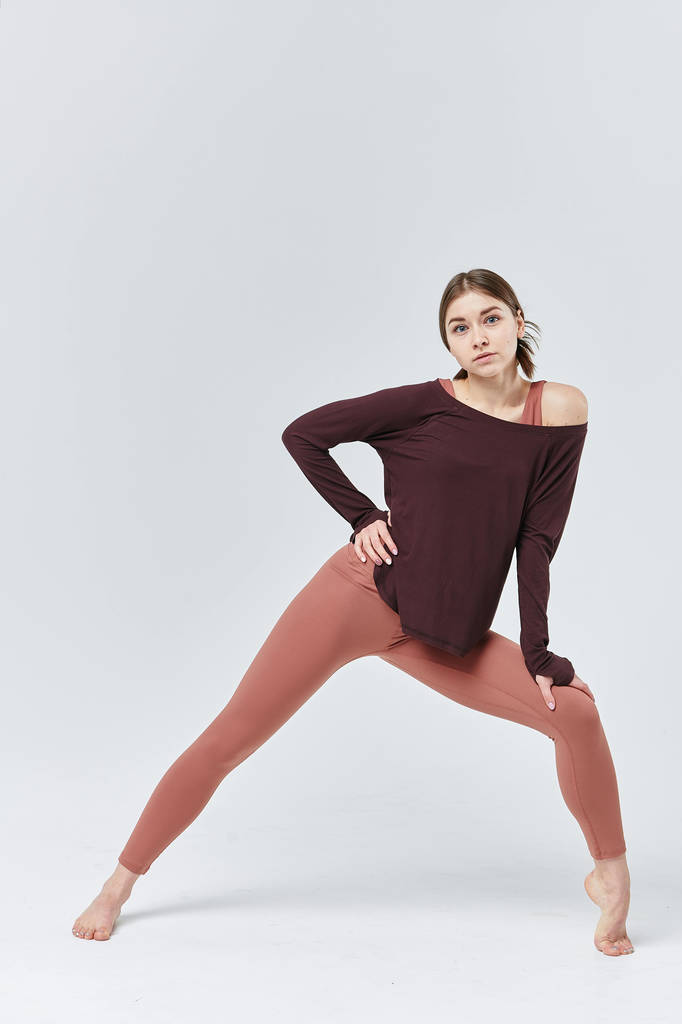
Goal
To build quiet strength and coordination around the hips so they stay centered and responsive during walking, lifting, and everyday tasks.
- Improve control and endurance of hip stabilizers.
- Protect the knees and low back by sharing load evenly.
- Develop balance and confidence on one leg.
1. Why hip stability matters
Your hips are the body’s power center. When they move well and stay supported, the knees, back, and ankles all work more efficiently.
When hip control is weak or unbalanced, other joints start to compensate — often leading to knee pain, lower back tension, or uneven gait.
2. The key players
- Glute medius and minimus: stabilize the pelvis when you stand on one leg.
- Glute max: powers hip extension and protects the spine during lifting.
- Deep rotators: fine-tune hip position and alignment.
- Core and obliques: connect the hips to the ribs and spine for control.
3. Finding neutral hips
Before strengthening, find a balanced, neutral position:
- Stand tall, feet under hips.
- Shift weight evenly left and right.
- Place your hands on your hips and feel them level — not tipped forward or back.
- Keep ribs stacked over hips and breathe quietly through the nose.
Cue: “Hips square, spine tall, breath easy.”
4. Gentle activation drills
A) Side-lying leg lift
- Lie on one side, knees straight, top leg in line with your body.
- Lift slowly a few inches, pause, and lower with control.
- Keep hips stacked — don’t roll backward.
- 8–10 reps per side, 1–2 sets.
Feel: outer hip working, no tension in low back or neck.
B) Glute bridge with focus
- Lie on your back, knees bent, feet hip-width apart.
- Press evenly through both heels to lift hips.
- At the top, check that your pelvis stays level — no dropping side to side.
- Lower slowly. 8–10 reps.
Bonus: Place a small ball or folded towel between knees to activate inner thighs too.
C) Standing weight shift
- Stand tall, feet hip-width, and gently shift your weight to one leg.
- Keep hips level and spine long — don’t lean or hike the hip.
- Pause 3 seconds, then switch sides.
- Repeat 5–10 times per side.
D) Single-leg balance
- Stand on one leg with the other hovering slightly off the ground.
- Keep the standing knee soft, not locked.
- Hold 10–20 seconds per side, breathing quietly.
- Increase challenge by moving the free leg slowly front to back or side to side.
Cue: “Stay tall through the crown of the head — control, not stillness.”
5. Building strength and control
- Step-downs: Stand on a step, slowly lower one heel toward the ground, then return. Keep hips level.
- Band walks: Place a resistance band around the ankles or knees. Step sideways with control — small, smooth steps.
- Single-leg bridge: Lift hips using one leg, keeping pelvis level. Switch sides.
Move slow — the goal is control, not fatigue. You should feel your glutes working more than your thighs.
6. Common mistakes
- Hip drop: pelvis tilts or shifts during single-leg work.
- Overusing low back: hips push too far forward instead of glutes working.
- Fast, bouncy reps: momentum replaces muscle control.
- Holding breath: increases tension and reduces balance.
Cue: “Quiet hips, steady breath.”
7. Integration into daily life
- Use small weight shifts while brushing teeth or waiting in line.
- Carry loads evenly, switching sides often.
- Notice if your hips hike or twist when walking — aim for smooth rhythm.
- Combine hip stability drills with your balance and gentle core routines.
8. What good hip stability feels like
Balanced, powerful, and steady — you move smoothly without gripping or wobbling. Your legs and spine feel like they’re part of the same system.
Real strength is control. When your hips can hold steady and still move freely, every step, lift, and breath becomes easier.