
Article
Standing & balance basics
Standing well is one of the most underrated skills for feeling strong and pain-free. Balance isn’t just about staying upright — it’s how your body organizes strength, posture, and calm from the ground up.
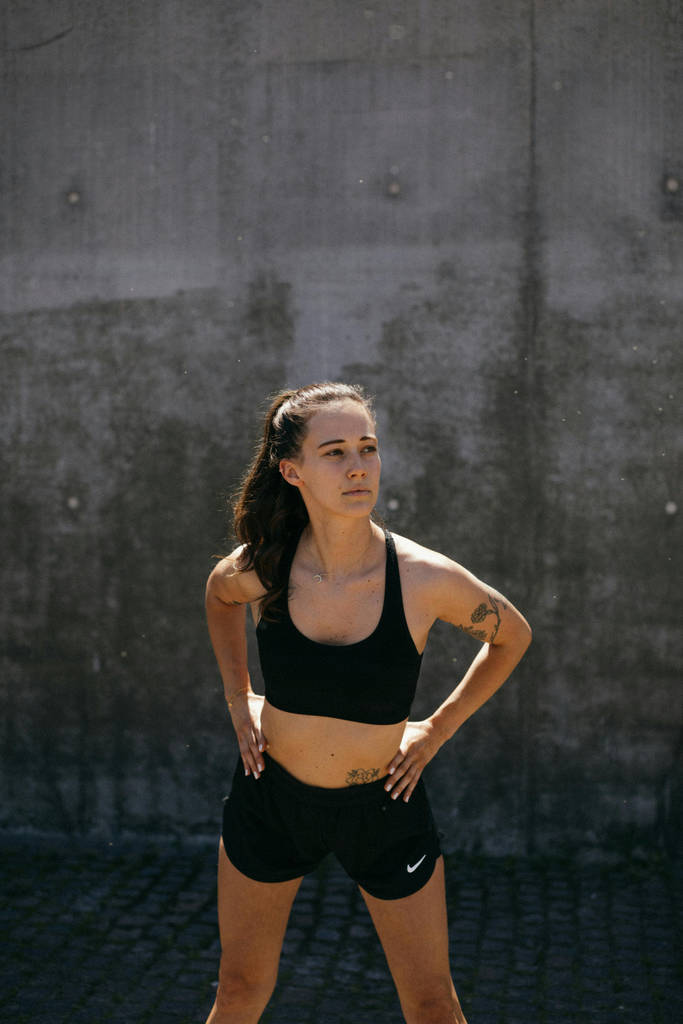
Goal
To improve how you stand, shift, and balance so your hips, back, and knees share the work evenly. Small changes in awareness can make standing feel lighter, stronger, and less tiring.
- Build natural alignment and quiet strength.
- Reduce fatigue in the low back, hips, and feet.
- Improve coordination for daily work, walking, and lifting.
1. Start from the ground up
Your feet are your foundation.
- Stand with feet about hip-width apart, toes pointing mostly forward.
- Feel even pressure under the big toe, little toe, and heel — your “tripod.”
- Distribute weight evenly between both feet.
Cue: Imagine your feet gripping the ground gently, not clawing.
2. Align the knees and hips
- Let knees stay soft — not locked backward.
- Hips over ankles, not pushed forward or tucked under.
- Think of standing “tall and stacked,” not stiff and military-straight.
Feel: Weight centered over arches, hips relaxed but engaged.
3. Ribs over hips
This is the secret to strong, efficient standing. When ribs float too far forward, the low back tightens. When they slump backward, breathing collapses.
- Gently lift your chest while keeping ribs soft.
- Stack ribs over hips so you can breathe freely in all directions.
- Let your shoulders hang, not pull back.
4. Head and eyes level
- Head balanced over shoulders, not jutting forward.
- Eyes looking straight ahead, jaw loose, tongue resting lightly on the roof of your mouth.
- Imagine a string gently lifting the crown of your head toward the sky.
Cue: Your head floats, your shoulders drop, your breath moves quietly.
5. Quiet-strength breathing
Once alignment feels natural, bring in breath to stabilize:
- Inhale through your nose, feeling ribs widen and belly soften.
- Exhale slowly, feeling the lower ribs draw gently inward.
- Keep shoulders still — the movement should come from your midsection.
Practice: 5 slow breaths while maintaining balance and soft knees.
6. Gentle balance drills
Do these barefoot or in stable shoes, near a wall if needed.
- Weight shift: Slowly move your weight to one foot, then the other. Feel the whole foot, not just the toes.
- Single-leg stance: Lift one foot slightly off the floor, hold for 5–10 seconds, then switch sides.
- Heel-to-toe rock: Gently roll from heels to toes and back to center. Smooth, steady rhythm.
- Eyes-closed stand: With feet hip-width, close eyes and notice how the body makes tiny corrections. That’s your balance system working.
7. Common standing mistakes
- Locked knees: Cuts off blood flow and tires the low back.
- Hips pushed forward: Makes the core disengage and the back arch.
- Slouched ribs: Reduces breathing and core support.
- Clenched toes or glutes: Adds tension instead of stability.
Cue: “Relax what’s extra, engage what’s useful.”
8. Building long-term balance
- Practice short bouts daily — a few minutes goes far.
- Train balance during real-world movements: brushing teeth, waiting in line, doing chores.
- Progress by narrowing stance, adding light head turns, or standing on softer surfaces.
- Integrate balance into your warm-ups and mobility flows.
9. For sore feet or knees
Standing well doesn’t mean standing still — micro-movements keep circulation flowing. If your feet or knees ache:
- Shift weight periodically — small sways left/right or front/back.
- Take short seated breaks to rest pressure points.
- Check shoe wear and surface hardness; soft mats or supportive soles help.
10. The feel of good balance
When it clicks, standing feels quiet — not effortful, not floppy. You breathe easily, your legs feel alive, and your spine feels long and stable.
True balance isn’t about perfection or stillness — it’s about your body’s confidence in small, constant adjustments. The more you practice awareness, the less effort standing takes.