
Knees & Feet
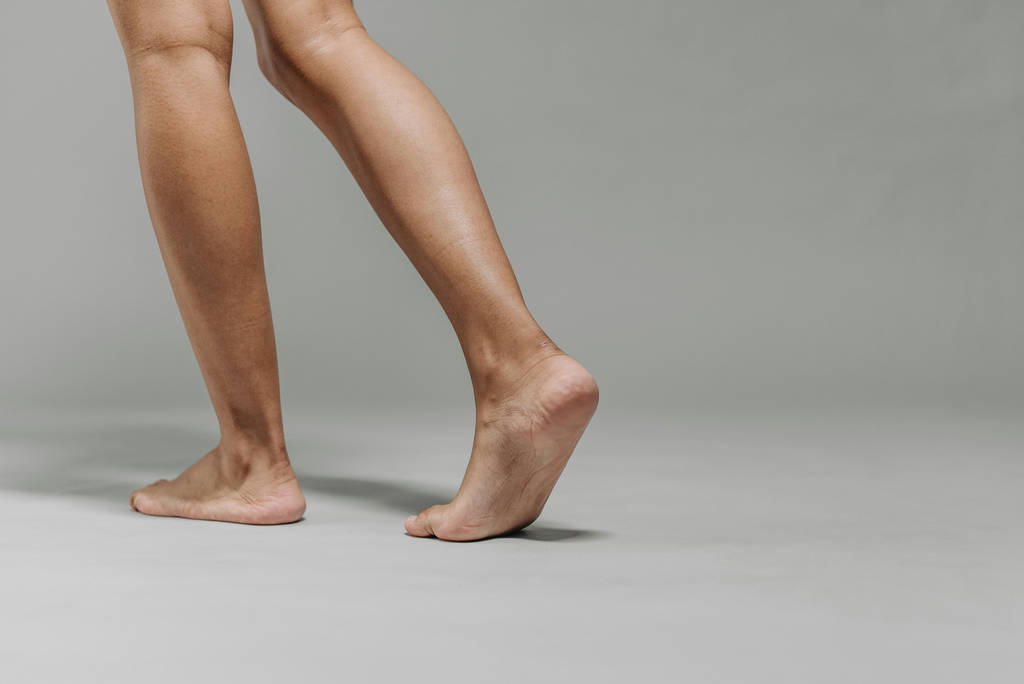
Your knees and feet are the link between you and the ground. When they move well and share the load with your hips, walking, standing, and lifting feel natural. When they’re out of balance, every step can feel heavier than it should.
Goal
To help you understand how knees and feet work together, why they often ache, and how simple alignment and movement habits can reduce strain and improve comfort.
- Learn how foot position affects the knees.
- Use gentle drills to improve alignment and control.
- Build small daily habits that keep knees and feet happier.
1. How knees and feet share the load
Every step sends force from the ground up through your feet, ankles, knees, and hips. Your feet adapt to the ground; your knees mainly handle bending and straightening; your hips guide direction and power.
When the foot collapses inward or the hip doesn’t control the leg, the knee gets twisted or pulled. Over time, that strain adds up as pain or stiffness.
2. Simple alignment check
Stand barefoot or in flat shoes and look down:
- Feet about hip-width apart.
- Kneecaps pointing in the same direction as your second and third toes.
- Weight spread across heel, ball of big toe, and ball of little toe.
Cue: “Knees over toes, toes over foot tripod.”
3. Why knees often hurt
- Collapsed arches: feet roll inward, pulling knees with them.
- Weak hips: thighs drift inward, stressing the inner knee.
- Locked knees: standing with knees jammed straight, tiring joints and ligaments.
- Repetitive impact: hard landings without shock absorption in ankles and hips.
The knee is often the “complaint department” for problems that start above or below it.
4. Gentle foot and ankle reset
A) Foot tripod awareness
- Stand tall and feel your heel, ball of big toe, and ball of little toe.
- Gently shift weight until all three points feel grounded.
- Keep toes relaxed — not clawing the ground.
B) Ankle rocks
- Stand facing a counter or wall for support.
- Step one foot slightly ahead.
- Gently bend the front knee, letting it travel toward the toes without collapsing inward.
- Rock forward and back 8–10 times, then switch sides.
Feel: smooth glide at the ankle, not pain in the knee.
C) Calf and plantar fascia ease
- From standing, place one foot slightly behind the other.
- Gently bend the front knee while keeping the back heel down.
- Hold 20–30 seconds, breathing slowly. Switch sides.
5. Knee-friendly strength drills
A) Sit-to-stand (chair squats)
- Sit near the edge of a chair, feet under knees.
- Lean slightly forward from the hips and stand up, pressing through your whole foot.
- Control the descent as you sit back down.
- Do 5–10 reps, focusing on knees tracking over toes.
B) Wall-supported mini squats
- Stand with your back against a wall, feet slightly forward.
- Slide down just a few inches — no need for deep bends.
- Keep knees pointing in the same direction as toes.
- Hold 3–5 seconds, then return. 5–8 reps.
C) Step-ups
- Use a low step or sturdy platform.
- Step up with one foot, then the other, stand tall, then step down.
- Keep the knee aligned over the middle of the foot.
- Start small — 5–8 reps per side.
6. Keeping knees happy when walking
- Use shorter, softer steps instead of long stomps.
- Keep your kneecaps and toes pointing the same direction.
- Let hips rotate slightly as you walk — don’t lock them.
- Wear shoes that aren’t overly worn on one edge.
7. Daily foot-care habits
- Spend a few minutes barefoot on safe, flat surfaces to wake up foot muscles.
- Gently spread and wiggle your toes after long periods in shoes.
- Roll the sole of your foot on a tennis ball or similar for 30–60 seconds per side.
- Alternate shoes during the week so pressure doesn’t always hit the same way.
8. Common mistakes
- Knees collapsing inward: often from weak hips or collapsing arches.
- Turning feet out too far: can twist the knee with each step.
- Deep bending on painful knees: start with small ranges you can control well.
- Ignoring foot pain: sore feet change how you walk and overload the knees.
9. When to be cautious
Talk with a qualified medical professional if you notice:
- Sharp or locking knee pain.
- Knee giving way unexpectedly.
- Significant swelling, redness, or warmth in the knee or foot.
- Numbness or tingling that doesn’t change with position.
Gentle motion is usually helpful, but sharp or worsening symptoms should be checked.
10. What better knees and feet feel like
- Steps feel smoother and less jarring.
- Knees feel centered, not pulled inward or outward.
- Feet feel awake but not sore — like they’re part of your balance system, not just pads on the ground.
- You can stand, walk, and go about your day with less tension and worry.
Your knees and feet don’t need perfection — they need attention. Small changes in alignment, strength, and daily habits add up, giving you a more stable, comfortable base for everything you do.