
Wrist & Elbow
Your wrists and elbows are built for movement and precision, not constant tension. Whether you type, lift, garden, or work with tools, these joints take on more stress than you realize. Learning to align and move them properly keeps pain away and strength consistent.
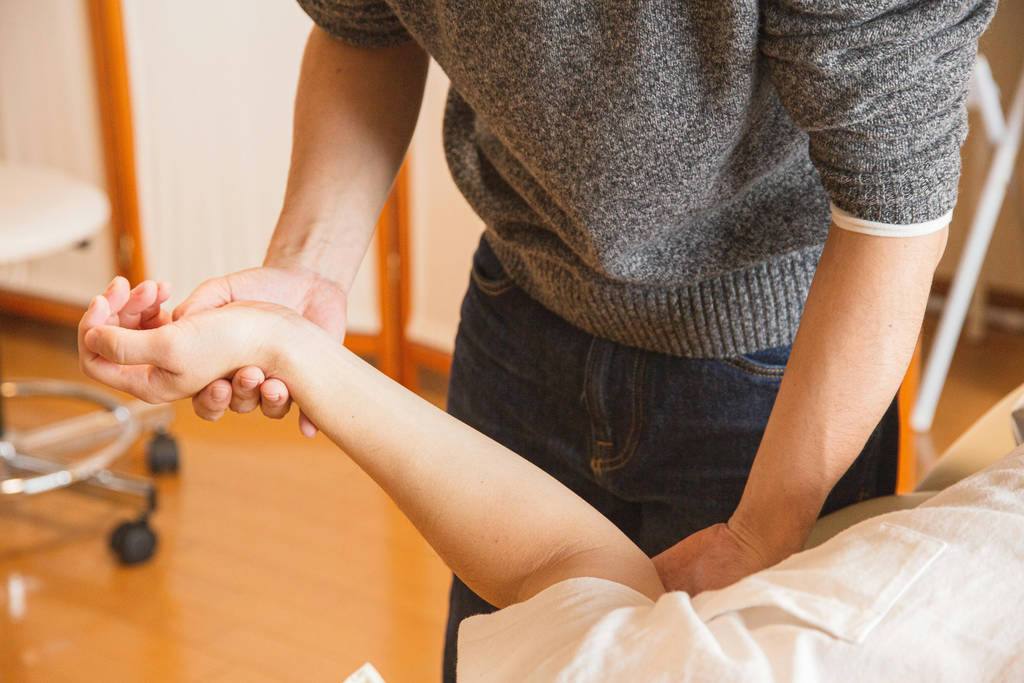
Goal
To restore smooth, pain-free use of the wrists and elbows by improving alignment, mobility, and gentle strength — reducing the repetitive stress that builds up in daily life.
- Reduce strain from typing, gripping, and lifting.
- Improve wrist and elbow control for strength and endurance.
- Build habits that protect tendons and joints over time.
1. Why wrists and elbows ache
The wrist and elbow work as a team. When one gets stiff, the other compensates. Overuse, gripping too tightly, or repetitive angles can lead to irritation and pain.
- Typing & mouse work: keeps wrists extended and forearms tense.
- Heavy or awkward lifting: overloads elbow tendons and forearms.
- Poor shoulder or wrist mobility: forces the elbow to twist unnaturally.
Cue: “Let strength flow through the whole arm — not get stuck in the middle.”
2. Alignment check
- Let your arms hang naturally by your sides — palms should face slightly in, not forward or backward.
- When bending your elbows, the forearm should move straight up, not drift inward or outward.
- When typing or holding tools, wrists should stay in line with forearms — not bent up or down.
Feel: relaxed hands, light grip, shoulders quiet.
3. Gentle mobility resets
A) Wrist circles
- Hold arms out in front, elbows bent slightly.
- Rotate wrists slowly 5–10 times each direction.
- Keep fingers soft — don’t clench.
B) Prayer stretch
- Bring palms together in front of your chest, fingers up.
- Gently lower hands until you feel a light stretch across wrists and forearms.
- Hold 15–20 seconds, breathing evenly.
C) Reverse prayer (back of hands)
- Place the backs of your hands together in front of your chest, fingers down.
- Raise them slowly until you feel a mild stretch on the top of the wrists.
- Hold 15–20 seconds.
D) Elbow rotations
- Hold arms at sides, bend elbows to 90°.
- Rotate palms up and down slowly 10 times.
- Keep elbows close to ribs, shoulders relaxed.
Goal: smooth rotation from the elbow and forearm, not the shoulder.
4. Gentle strength and stability drills
A) Towel squeezes
- Hold a rolled towel or small ball lightly in one hand.
- Squeeze gently for 2–3 seconds, then release fully.
- Repeat 10 times per hand.
B) Wrist curls
- Rest your forearm on a table or thigh, palm up.
- Hold a light weight or water bottle.
- Curl the wrist up slowly, then lower with control.
- 10–12 reps, then switch sides.
C) Reverse wrist curls
- Same setup, but with palms down.
- Lift the back of your hand up gently, then lower slowly.
- 10–12 reps each side.
D) Forearm pronation/supination
- Hold a light hammer or small weight vertically.
- Slowly rotate the forearm so the palm faces up, then down.
- Control both directions — 8–10 reps each side.
5. Stretching and recovery
- Shake out your hands lightly every 30–60 minutes during repetitive work.
- Roll your forearms with a ball or gently massage along tight areas.
- Alternate between gripping and opening your hands wide to balance muscle tone.
6. Everyday protection habits
- Typing or mouse use: wrists straight, elbows near body, shoulders relaxed.
- Manual work: vary grips and tasks often — don’t hold one position too long.
- Lifting: align wrists with forearms and keep elbows close to ribs.
- Stretch breaks: take 30 seconds every hour to move wrists and shoulders.
7. Common mistakes
- Over-gripping: creates forearm tension that feeds elbow pain.
- Locked elbows: limit circulation and joint movement.
- Ignoring shoulder position: tension at the top feeds tightness below.
- Forcing stretches: nerves can be irritated by aggressive pulls.
8. When to seek help
See a qualified professional if you experience:
- Numbness or tingling in fingers or hand.
- Sharp or burning pain around the elbow or wrist.
- Grip weakness or dropping objects unexpectedly.
- Pain that persists or worsens after rest and gentle movement.
9. The feel of healthy wrists and elbows
- Movement feels smooth, quiet, and controlled.
- Hands relax easily after gripping.
- Arms feel connected to the shoulders and core — strength flows through, not stuck at a joint.
The wrists and elbows thrive on gentle movement and balanced effort. Strength comes from flow, not force — move often, breathe calmly, and your arms will stay strong, steady, and pain-free.